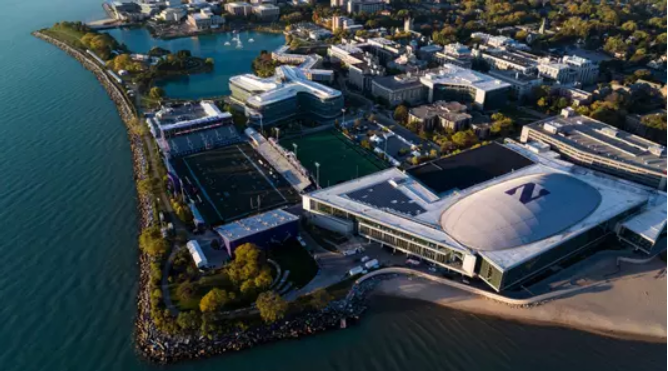
Last week, Northwestern University signed a deal requiring them to pay $75 million to the federal government in exchange for restored research funding, ending an ongoing negotiation between the prestigious university and the Trump administration. The deal was “another victory” according to Attorney General Pam Bondi.
How did the conflicts begin?
Growing concerns of antisemitism on Northwestern’s campus and the university’s response to pro-palestinian protests led the federal government to withhold funding. Mainly, the Department of Justice felt it appropriate to hold the school accountable; the university responded with tolerance of antisemetic incidents, including vandalism and chants targeted at Jewish students.
What was negotiated?
After a period of back and forth negotiation between Northwestern and the Department of Justice, the two reached a deal. The settlement resulted in federal funding of the university restored, $75 million into the pocket of the federal government, and new procedures and policies implemented by the university to prevent and punish antisemetic incidents in the future.
The agreement ended “a deeply painful and disruptive period in our university’s history” according to Henry S. Bienen, former President of Northwestern University.
Overall, as the Trump administration continues to conflict with and withhold federal funding from influential universities, the boundary between holding institutions accountable and weaponizing the Justice Department to check boxes off the President’s agenda becomes more and more weary.