The Significance of Coral Reefs
As the Earth experiences extreme climate change, coral reef populations are negatively affected worldwide. Rising ocean temperatures bleach the coral reefs and cause diseases to spread, killing the population. Additionally, The National Oceanic Atmospheric Administration states that carbon dioxide emissions cause ocean acidification, which hinders the reef’s structural integrity. It is extremely important to maintain the survivability and increase the amount of healthy coral reefs because they are the basis of many ocean ecosystems. Numerous animals such as fishes, turtles, lobsters, and sponges rely on coral reefs for protection, food, and shelter. When coral reefs die, sea animals are left without key resources to their survival. This process reflects the drastic decline in marine animal populations shown in an Australian Institute of Marine Science study led by Daniela Ceccarelli where fish populations in the Great Barrier Reef dropped to “33%-72%” due to areas being “covered in algae with very little coral,” according to the article “Coral reef fish running out of time to recover at Great Barrier Reef Islands.”
Port Everglade
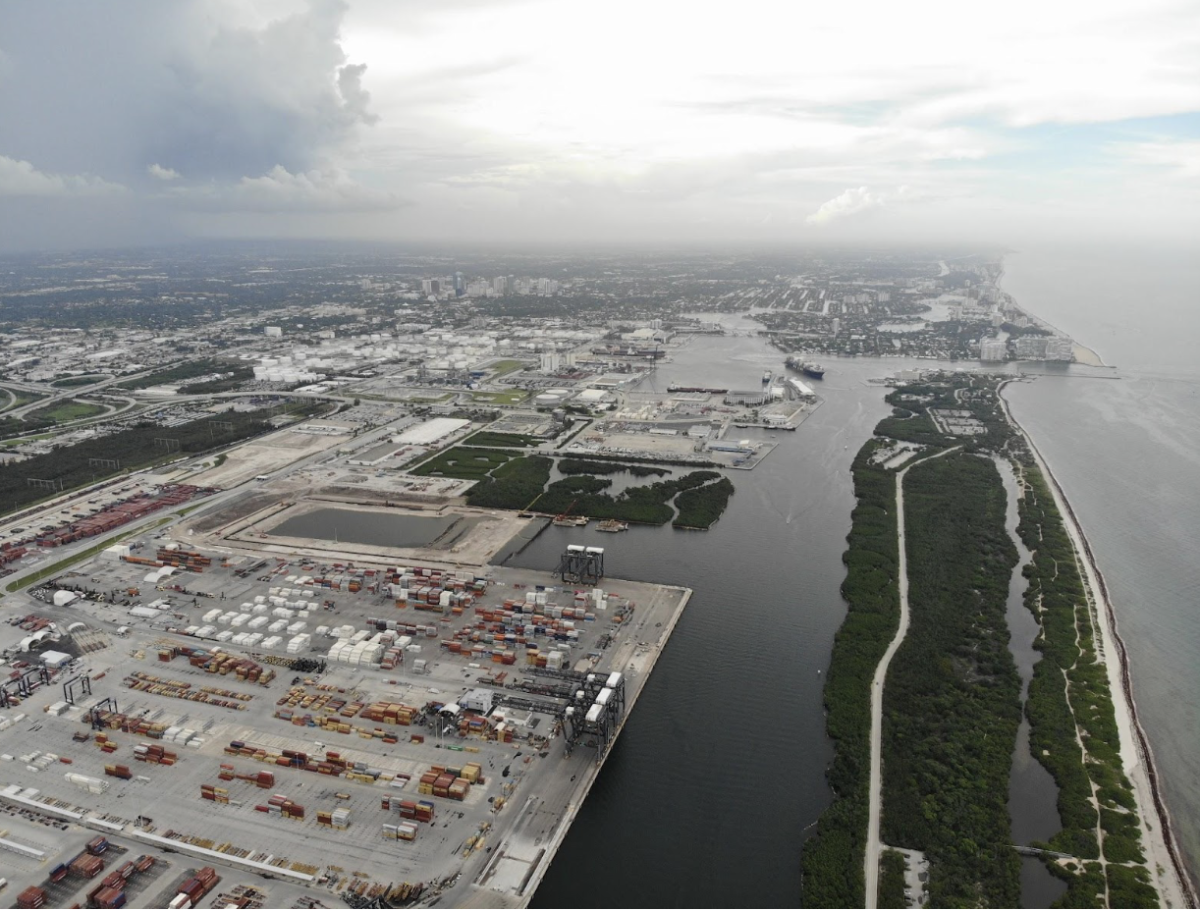
Currently in Port Everglade, Florida the U.S. Army Corps of Engineers plan to expand the port’s navigational channels and limit safety delays by dredging the area. According to Project Everglades Navigation Improvement Project led by the Army Corps, expanding the port will help increase employment and support the local businesses as there will be less shipping delays and faster processes to sell goods. However, this project will also devastatingly affect the coral reef population in Port Everglade because the dirt and dust brought up in construction suffocates the reefs and results in many of the organisms’ deaths. Consequently, local animals that inhabit the waters like manatees, fish, and turtles are harmed because they will lose a vital part of their environment necessary for survival.
The Inconsistencies of the U.S Army Corps of Engineers
There have been other incidents where the Army Corps have dredged other ports in the US. One of the most impactful occurrences was the dredging of Port Miami in 2013. The article “PortMiami dredging killed 80 times more coral than expected. More digging coming soon” by Miami Waterkeepers, states that the Army Corps claimed their work on Port Miami “would kill about 3.3 acres of corals.”. Unfortunately, The National Oceanic and Atmospheric Administration reported that 278 acres of land were destroyed in the dredging of Port Miami and there have been minimal to zero restoration projects established to regrow the lost corals. This situation is concerning because it shows how the Army Corps are not educated in the destruction they cause nor care about preserving the local environment. Also, the article states that the Army Corps believe the dredging project “will directly kill about 449,000 corals,” and the responsibility to restore the population does not fall on their organization. The Army Corps’ negligence to restore the coral reefs is frightening as they are leaving the responsibility up to restoration companies who simply do not have the supplies and resources to restore destroyed reefs of large scale. For example, Coral Restoration Foundation is one of the leading coral restoration organizations but they only plant 45,000 corals yearly. Without the Army Corps funding and implementing coral restoration, it is unlikely for it to happen in the aftermath of the dredging in Port Everglades.
How to Help
Stop the Dredge is an organization with the goal to stop the Port Everglades project from taking place. On their website, stopthedredge.com, there is a petition to save the port’s environment and inhabitants. So far the petition has a little over 20,000 signatures, but more are needed to ensure this project does not happen. The organization has partnered with Miami Waterkeepers, Florida Wildlife Federation, and Earth Justice who all share the goal to protect and preserve wildlife communities in Florida and throughout the country. Additionally, some simpler actions to protect coral reefs can be reducing the usage of insecticides and weed remover sprays, volunteering for beach clean ups, and reducing one’s carbon footprint. Overall, it is humans’ responsibility to advocate and protect marine organisms from destruction and extinction. Every action, no matter how small, helping animals survive leads one step closer to sustainably and effectively preserving Earth’s organisms and environments from eradication.